Liste de contrôle pour l'inspection des semi-remorques avant chaque trajet
8 septembre 2026
Équipe d'ingénierie de CHENLU | Équipe d'ingénierie et de personnalisation des remorques | Mis à jour le 8 septembre 2026
Une liste de contrôle pour l'inspection des semi-remorques fournit aux conducteurs et aux équipes de gestion de flotte une procédure standardisée à suivre avant la mise en circulation d'un véhicule. Il convient de faire le tour de la remorque, de vérifier l'attelage au tracteur, de tester les systèmes de sécurité et de consigner les défauts avant le chargement ou le départ. Suivez les étapes ci-dessous en respectant les règles d'inspection en vigueur sur votre marché.
Consignez les résultats de l'inspection en indiquant le numéro d'identification de la remorque et la date.
1. Vérifier l'état de la remorque et les conditions d'inspection
Lisez le numéro d'identification de la remorque et vérifiez que le procès-verbal d'inspection correspond bien à l'unité en cours d'expédition.
Garez-vous sur un sol ferme et plat, serrez le frein de stationnement du tracteur et appliquez la procédure de calage des roues prévue par la flotte.
Nettoyez la boue, la poussière de charbon, le ciment ou le sel des zones où ces résidus pourraient masquer une fissure, une fuite ou un raccord endommagé.
2. Attelage, châssis et train d'atterrissage
Vérifiez sous l'avant de la remorque que le pivot d'attelage et le mécanisme de verrouillage de la sellette d'attelage soient bien enclenchés. Ne vous fiez pas uniquement à la position de la poignée.
Inspectez le longeron avant, les poutres principales, les traverses et les zones de soudure visibles afin de détecter d'éventuelles fissures, déformations récentes, pièces de fixation manquantes ou dommages dus à un choc.
Ne relevez le train d'atterrissage qu'après avoir vérifié que la manivelle, la boîte de vitesses, les jambes et les patins d'appui sont bien fixés. Vérifiez que la poignée est bien rangée.
Vérifiez que les raccordements électriques et pneumatiques sont bien fixés, protégés contre les frottements et ne présentent ni coupures ni fuites visibles.
3. Essieux, suspension et roues
Inspectez les deux côtés de chaque groupe d'essieux. Vérifiez les ressorts, les supports, les coussins d'air, les bras de torsion, les boulons en U et les points de fixation afin de détecter tout déplacement, fissure ou fuite. Comparez la hauteur de caisse sur l'ensemble du groupe ; une remorque visiblement déséquilibrée peut indiquer un problème de suspension, d'alignement ou de chargement.
Vérifiez que les jantes, les écrous de roue, les moyeux et les joints ne présentent pas de jeu, de traces de surchauffe ou de fuites de lubrifiant. Un problème au niveau de l'extrémité de la roue nécessite un arrêt immédiat pour réparation ; il ne s'agit pas d'un élément à surveiller pendant le trajet.
4. Pneus et pression de gonflage
Vérifiez la pression des pneus en utilisant la méthode et les réglages approuvés par la flotte pour la configuration des pneus et de la charge.
Vérifiez la bande de roulement, les flancs, les tiges de valve et les zones de talon afin de détecter d’éventuelles coupures, renflements, cordes apparentes ou corps étrangers.
Comparez l'usure des pneus d'un même essieu. Une usure au niveau de l'épaulement ou un motif répétitif peuvent indiquer un problème d'alignement, de suspension ou de répartition inégale de la charge.
5. Freins et circuit pneumatique
Inspecter les flexibles d'air, les raccords, les chambres, les valves et le câblage visible. Mettre le système sous pression conformément à la procédure du tracteur et écouter s'il y a des fuites. Vérifier que les commandes du frein de service et du frein de stationnement réagissent correctement. Si la réponse au freinage est retardée, inégale, bruyante ou s'accompagne d'une perte de pression d'air, mettre la remorque hors service jusqu'à ce que la procédure de réparation agréée soit terminée.
6. Feux, catadioptres et équipements de sécurité routière
Vérifiez les feux stop, les feux arrière, les clignotants, les feux de position et les feux de gabarit. Nettoyez les verres et remplacez les réflecteurs endommagés. Vérifiez les dispositifs anti-encastrement, les protections, les marquages d'avertissement et tout équipement d'urgence requis. Tout éclairage manquant ou toute protection endommagée susceptible de compromettre la sécurité routière doit être réparé avant le départ.
7. Plateau de chargement et dispositifs de fixation
Faites correspondre cette partie de la liste de contrôle d'inspection de la semi-remorque à la structure de la remorque :
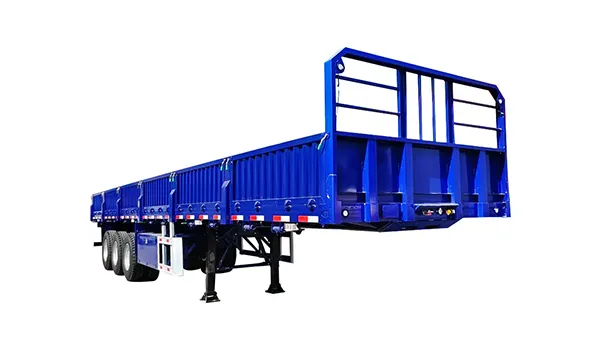
Remorques à plateau et remorques à barrières : vérifier le pont, les poches, les poteaux, les chaînes, les sangles, les portillons latéraux et les points d’ancrage.
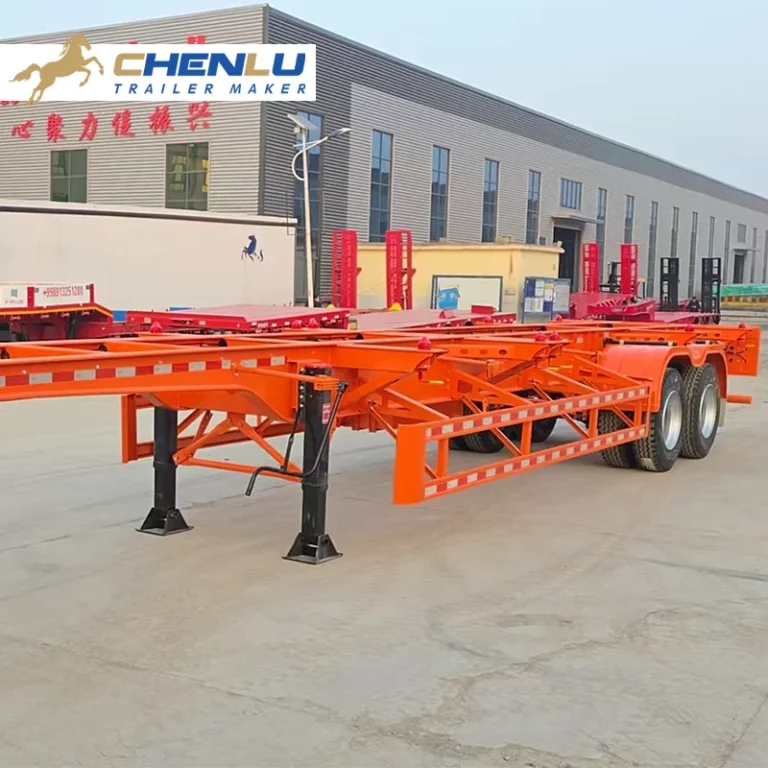
Remorques porte-conteneurs : Vérifiez que chaque verrou à rotation est propre, qu'il fonctionne correctement et qu'il atteint sa position verrouillée.
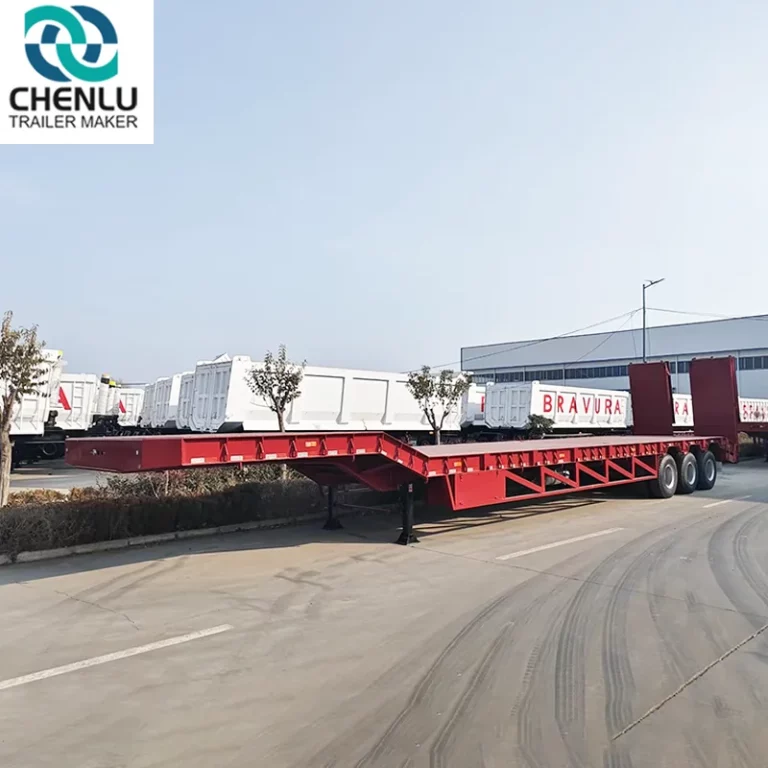
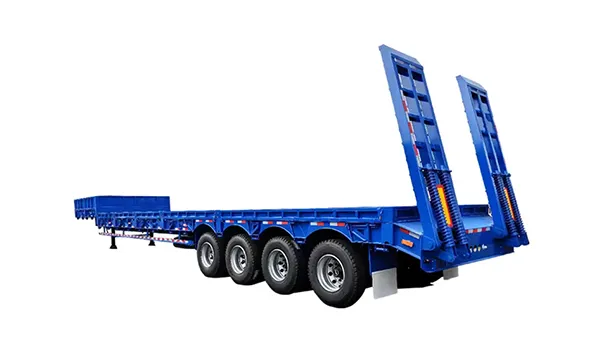
Remorques surbaissées : inspecter les rampes, les raccords en col de cygne ou amovibles, les jonctions de plate-forme et les points de contact soumis à des charges concentrées.
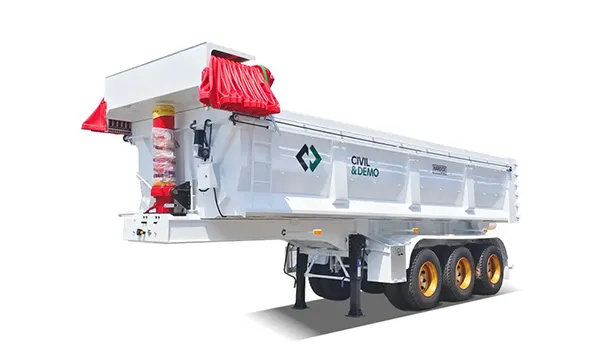
Remorques à benne basculante : Vérifiez le plancher de la carrosserie, le hayon, les charnières, les pivots, le vérin hydraulique et le mécanisme de verrouillage.
Navires-citernes : vérifier les regards, les vannes, les tuyaux, les dispositifs de mise à la terre, les équipements de récupération des vapeurs et la présence de fuites visibles.
Un dispositif d'arrimage doit se verrouiller et supporter la charge pour laquelle il est prévu ; le simple fait qu’une chaîne, un rideau ou une sangle soit présent sur la remorque ne suffit pas à prouver qu’il est en état de marche.
8. Décisions relatives aux défauts avant le départ
Conclusion
Mesures à prendre avant le voyage
Fissure structurelle, assemblage lâche ou raccordement porteur endommagé
Suspendre l'expédition et demander une expertise technique.
Réponse des freins défaillante, fuite d'air importante ou pneu endommagé
Mettez la remorque hors service et réparez-la conformément à la procédure approuvée.
Défaillance d'une lampe, d'un réflecteur ou d'un dispositif de protection obligatoire
Vérifiez avant de vous engager sur la voie publique.
Légers dommages esthétiques sans incidence sur la sécurité
Enregistrez-le et planifiez la réparation conformément à la politique relative au parc automobile.
9. Consigner et clôturer l'inspection
Notez la date, le numéro d'identification de la remorque, le kilométrage ou les heures de fonctionnement, le nom de l'inspecteur et l'état de fonctionnement.
Décrivez les défauts en indiquant une mesure ou en joignant une photo lorsque cela s'avère utile ; évitez les remarques du type “ ça a l'air en mauvais état ”.”
Désigner un responsable de la réparation et vérifier que la correction a bien été effectuée avant de remettre la remorque en service.
Examinez les problèmes récurrents en fonction de l'itinéraire, du modèle de remorque et du type de chargement. Un défaut récurrent peut nécessiter une modification de la configuration ou des intervalles d'entretien.
Erreurs courantes lors des inspections
Se contenter de vérifier les pneus ne permet pas de détecter les défauts au niveau du châssis, de l'attelage ou des freins. Inspecter uniquement le côté conducteur ne permet pas de repérer les dommages présents du côté opposé. Une couche de peinture appliquée sur de la corrosion peut masquer une fissure, et un chargement partiel peut tout de même entraîner une concentration de charge sur un essieu. Une inspection complète autour du véhicule est plus rapide qu’une réparation imprévue sur le bord de la route.
Foire aux questions sur la liste de contrôle pour l'inspection des semi-remorques
À quelle fréquence cette inspection doit-elle être effectuée ?
Effectuez une inspection avant départ avant chaque sortie, puis ajoutez les contrôles basés sur le kilométrage, les heures de service ou les dates, conformément aux procédures de la flotte et aux recommandations des fournisseurs de composants. Une exposition importante à la poussière ou au sel, le transport de charges lourdes ou des chargements répétés peuvent justifier un intervalle plus court.
Qu'est-ce qui devrait empêcher une remorque de partir ?
Un attelage qui ne se verrouille pas, une fissure structurelle, des freins défectueux, une fuite d'air importante, un pneu endommagé, des feux obligatoires défectueux ou un chargement mal arrimé sont autant d’exemples de problèmes qui doivent être résolus avant le départ.
La liste de contrôle varie-t-elle en fonction du type de remorque ?
Oui. Les camions-citernes, les remorques à benne basculante, les remorques surbaissées et les remorques porte-conteneurs nécessitent chacun des contrôles spécifiques à leur équipement, tandis que le châssis, le train roulant, les freins, les pneus et les feux doivent toujours faire l'objet d'une vérification selon la procédure habituelle.
Créer une routine d'inspection spécifique à un modèle
Conservez cette liste de contrôle pour l’inspection des semi-remorques comme registre standard avant départ, puis ajoutez des lignes pour détailler les essieux, la suspension, les dispositifs de retenue, les composants hydrauliques ou l’équipement des citernes, selon les spécifications de chaque véhicule. Vérifiez les Informations sur le service et l'assistance CHENLU, comparez le catalogue de semi-remorques, et Contacter CHENLU Trailer lorsque votre flotte a besoin d'un plan d'inspection adapté à sa configuration.




 8 septembre 2026