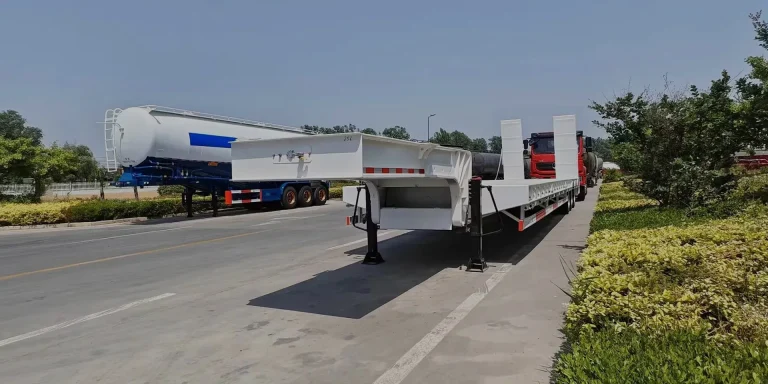
Semi Trailer Inspection Checklist Before Every Trip
08 September 2026
Équipe d'ingénierie de CHENLU | Trailer Engineering and Customization Team | Updated September 8, 2026
A semi trailer inspection checklist gives drivers and fleet teams one repeatable sequence before a vehicle enters the road. Walk around the trailer, confirm the tractor connection, test safety systems and record defects before loading or departure. Use the steps below with the inspection rules that apply in your operating market.
Record the inspection against the trailer identification number and date.
1. Confirm the trailer and inspection conditions
Read the trailer identification number and confirm that the inspection record belongs to the unit being dispatched.
Park on firm, level ground, apply the tractor parking brake and use the fleet’s required wheel-chock procedure.
Clean mud, coal dust, cement or salt from areas where it could hide a crack, leak or damaged fitting.
2. Coupling, frame and landing gear
Look under the front of the trailer for a fully engaged kingpin and fifth-wheel locking mechanism. Do not rely on the handle position alone.
Inspect the front rail, main beams, cross-members and visible weld zones for cracks, fresh deformation, missing fasteners or impact damage.
Raise the landing gear only after confirming the crank, gearbox, legs and support pads are secure. Check that the handle is stowed.
Confirm electrical and air connections are latched, protected from rubbing and free of visible cuts or leaks.
3. Axles, suspension and wheels
Inspect both sides of every axle group. Check springs, hangers, air bags, torque arms, U-bolts and mounting points for shifted parts, cracks or leaks. Compare ride height across the group; a visibly uneven trailer can indicate a suspension, alignment or loading problem.
Examine rims, wheel nuts, hubs and seals for looseness, heat marks or lubricant leakage. A wheel-end problem is a stop-and-repair condition, not an item to monitor during the trip.
4. Tires and inflation
Check inflation using the fleet’s approved method and setting for the tire and load configuration.
Inspect tread, sidewalls, valve stems and bead areas for cuts, bulges, exposed cords or objects.
Compare wear across tires on the same axle group. Shoulder wear or a repeating pattern may point to alignment, suspension or uneven loading.
5. Brakes and air system
Inspect air hoses, couplers, chambers, valves and visible wiring. Build system pressure according to the tractor procedure and listen for leaks. Confirm service and parking brake controls respond correctly. If braking response is delayed, unequal, noisy or accompanied by an air-pressure loss, keep the trailer out of service until the approved repair process is complete.
6. Lights, reflectors and road-safety equipment
Test stop, tail, turn, marker and clearance lamps. Clean lenses and replace damaged reflectors. Check underrun protection, guards, warning markings and any required emergency equipment. Missing lighting or damaged protection that affects road safety should be corrected before departure.
7. Cargo deck and restraints
Match this part of the semi trailer inspection checklist to the trailer structure:
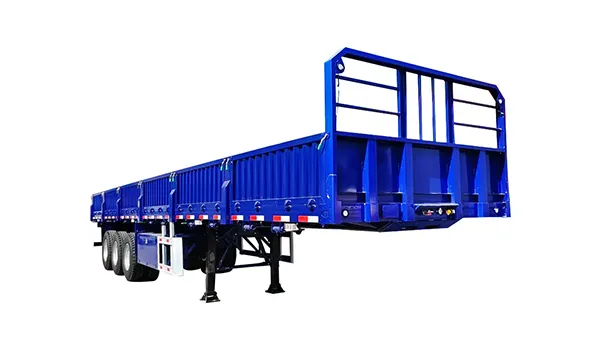
Flatbed and fence trailers: inspect the deck, pockets, posts, chains, binders, side gates and tie-down anchors.
Container trailers: confirm every twist-lock is clean, moves correctly and reaches its locked position.
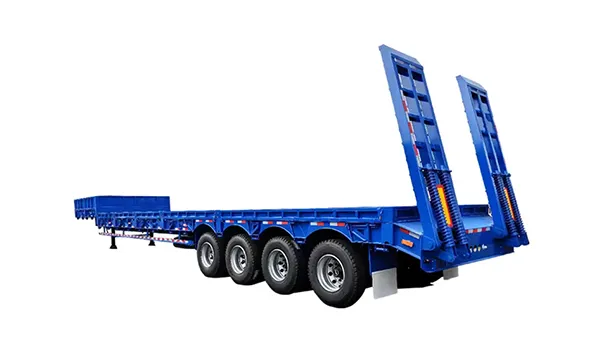
Lowbed trailers: inspect ramps, gooseneck or detachable connections, deck transitions and concentrated-load contact points.
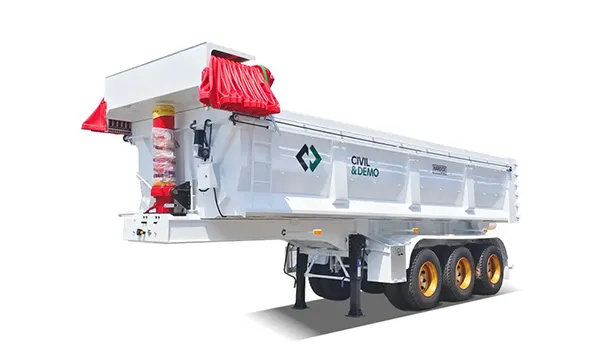
Dump trailers: check the body floor, tailgate, hinges, pivots, hydraulic cylinder and locking mechanism.
A restraint must lock and carry its intended load; simply having a chain, curtain or binder on the trailer is not proof that it is serviceable.
8. Defect decisions before departure
Finding
Action before the trip
Structural crack, loose coupling or damaged load-bearing connection
Stop dispatch and obtain a technical assessment.
Unsafe brake response, serious air leak or damaged tire
Keep the trailer out of service and repair under the approved procedure.
Failed required lamp, reflector or safety guard
Correct before entering public roads.
Minor cosmetic damage with no safety effect
Record it and schedule repair according to fleet policy.
9. Record and close the inspection
Record the date, trailer ID, mileage or operating hours, inspector and operating conditions.
Describe defects with a measurement or photo when useful; avoid notes such as “looks bad.”
Assign a repair owner and verify the correction before releasing the trailer.
Review repeated findings by route, trailer model and cargo type. A recurring defect may require a configuration or interval change.
Common inspection mistakes
Checking only the tires misses frame, coupling and brake faults. Inspecting only the driver’s side misses damage on the opposite side. Painting over corrosion can conceal a crack, and a partial load can still create concentrated axle loading. A complete walk-around is faster than an unscheduled roadside repair.
Semi trailer inspection checklist FAQ
How often should this inspection be completed?
Use a pre-trip inspection before each departure, then add mileage-, hour- or calendar-based checks from the fleet procedure and component suppliers. Severe dust, salt, heavy haul or repeated loading can justify a shorter interval.
What should stop a trailer from leaving?
A coupling that will not lock, a structural crack, unsafe brakes, a serious air leak, a damaged tire, failed required lights or an unsecured load are examples of conditions that require correction before dispatch.
Does the checklist change by trailer type?
Yes. Tankers, dump trailers, lowbeds and container trailers each add equipment-specific checks, while the frame, running gear, brakes, tires and lights still need their normal sequence.
Build a model-specific inspection routine
Keep this semi trailer inspection checklist as the common pre-trip record, then add rows for the exact axles, suspension, restraints, hydraulic parts or tank equipment on each specification. Review the CHENLU service and support information, compare the semi-trailer catalogue, and contact CHENLU Trailer when your fleet needs a configuration-specific inspection plan.




 08 September 2026