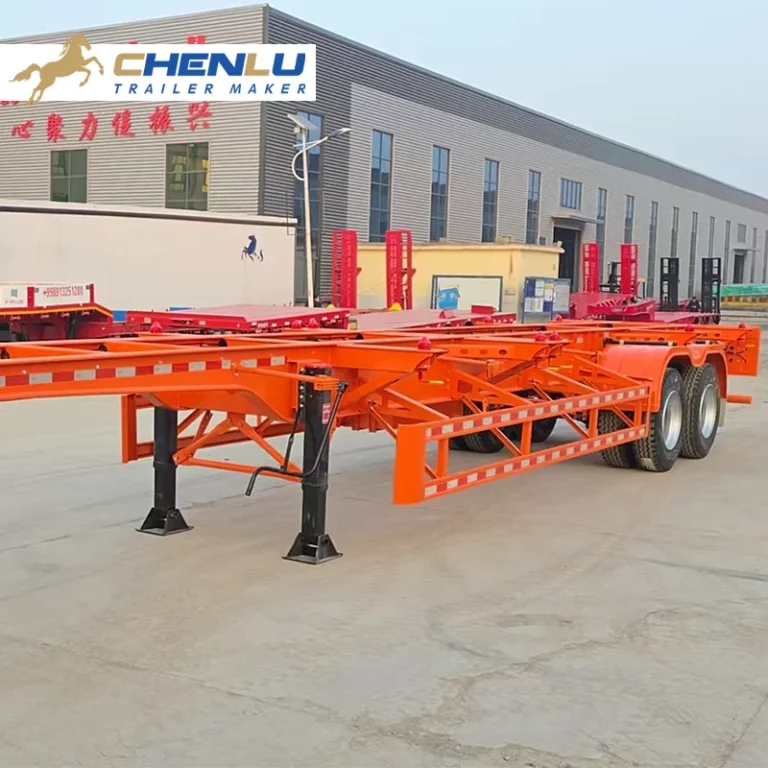
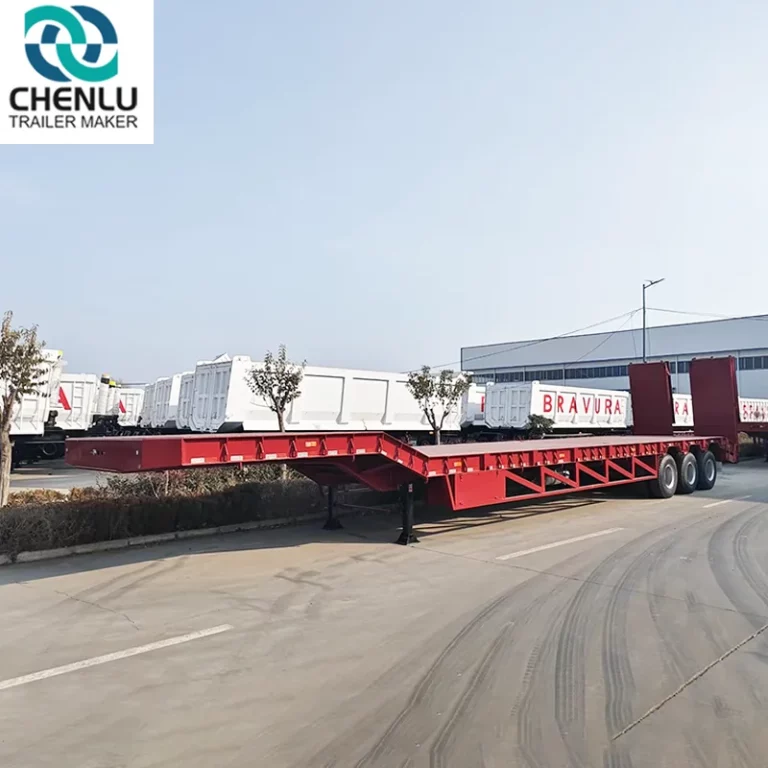
A container trailer is a semi trailer designed to transport shipping containers by road. The right configuration depends on container size, loaded weight, axle limits, route conditions, loading method, and fleet use. Dedicated container transport often favors a skeleton container chassis, while a flatbed semi trailer offers more flexibility for containers and general cargo.
What Is a Container Trailer?
A container trailer is a road trailer built to move an ISO shipping container behind a tractor or semi truck. It may use a light skeletal chassis, a full flat platform, a lowered gooseneck section, or another specialized structure depending on the transport job.
The key point is simple: the trailer does not just support a box. It must transfer the weight of the loaded containers through the frame, kingpin, suspension, tires, and axle system while keeping the container securely locked in place.
ISO 668 establishes classification, external dimensions, and ratings for Series 1 freight containers used in international traffic. That common dimensional framework is one reason container chassis can be designed around standardized corner positions and container layouts.
In daily transport, buyers may use several names:
- Container trailer
- Shipping container trailer
- Container chassis
- Skeleton trailer
- Skeletal trailer
- Container semi trailer
- Container semi
- Skeleton semi trailer
These terms overlap, but the structures are not always identical.
As a professional semi trailer manufacturer in China, we look first at what the customer needs to move containers between: a port terminal, rail yard, inland warehouse, construction site, factory, or long-haul distribution center. That operating environment often determines the right chassis before price does.
Which Container Trailer Types Are Used in Modern Logistics?
There is no single trailer type for every container operation.
The main options include:
| Trailer Type |
Best Application |
Main Advantage |
| Skeleton / Skeletal Trailer |
Dedicated container transport |
Lower tare weight and simple chassis |
| Flatbed Container Trailer |
Containers and general freight |
High cargo flexibility |
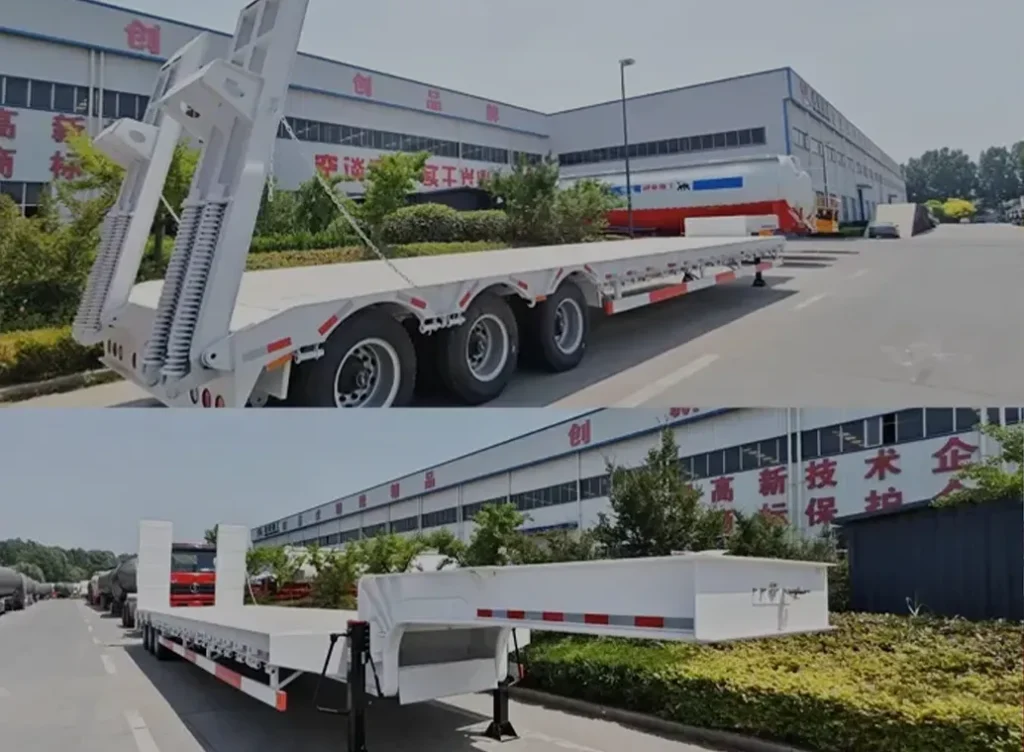
| Gooseneck Container Chassis |
High-cube containers and height-sensitive routes |
Lower transport height |
| Extendable Container Trailer |
Multiple container lengths or special cargo |
Adjustable overall length |
| Heavy-Duty Custom Chassis |
Dense or specialized loads |
Reinforced frame and running gear |
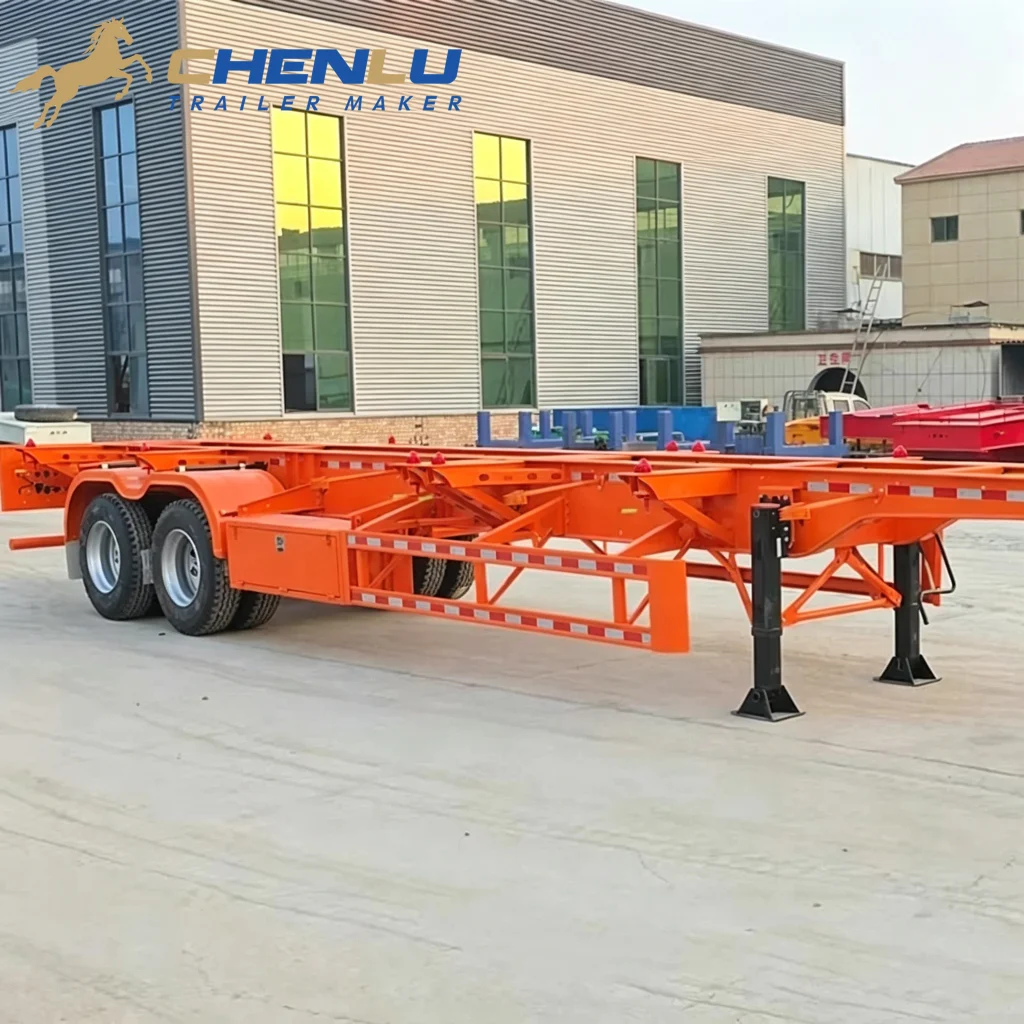
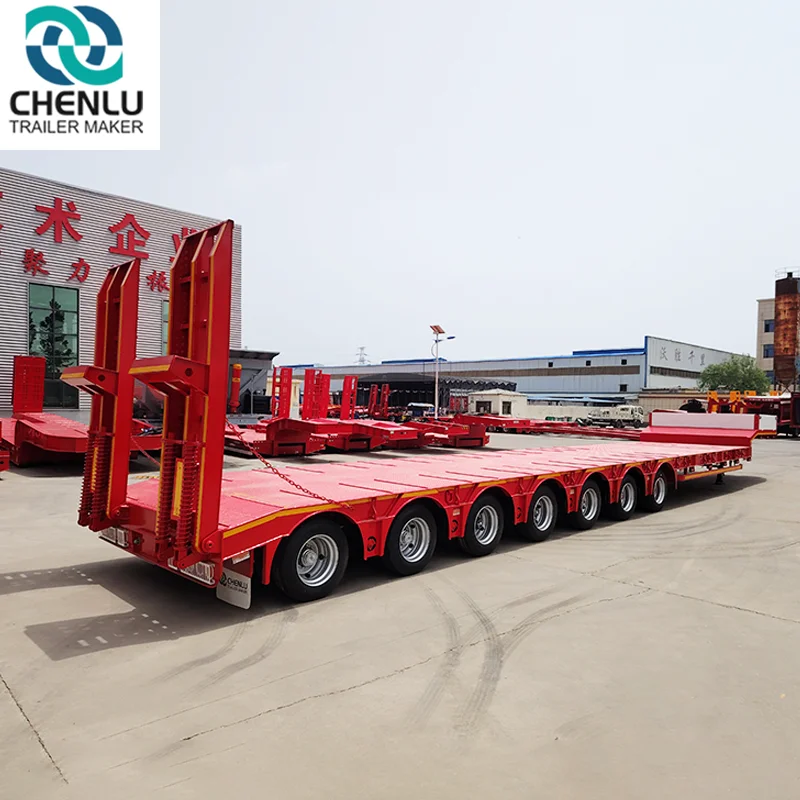
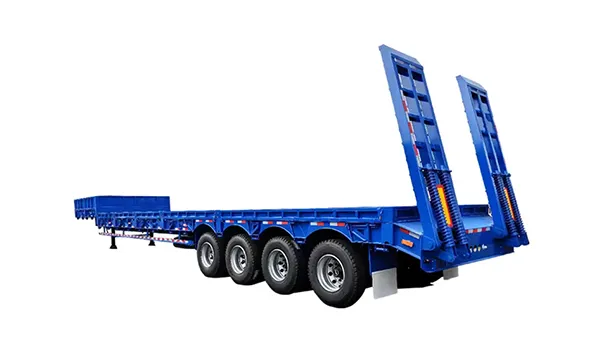
CHENLU’s current container transport range highlights a 2 axle Skeleton Trailer, container flatbeds, three-axle skeletal solutions, and gooseneck container chassis options. The standard two-axle product is positioned for 20ft and 40ft container work, especially where short wheelbase and maneuverability matter.
A dedicated container chassis is usually the cleanest solution for fleets that almost always carry containers.
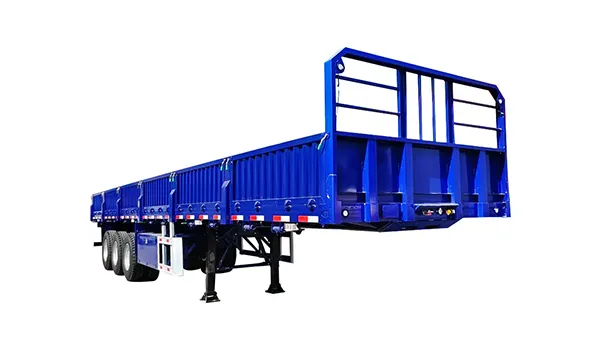
A flatbed is different. It provides a full deck, so the same trailer can carry a shipping container, steel, timber, palletized freight, building materials, and other cargo when the container locks are not being used.
That difference can have a major effect on fleet utilization.
Container Chassis or Flatbed: Which Trailer Is Better?
This is one of the most important decisions in container transport.
Choose a Container Chassis When:
Most trips involve ISO containers.
Port maneuverability matters.
Lower trailer tare weight is valuable.
The fleet does not need a full cargo deck.
Quick container exchange is part of daily work.
A standard container chassis uses a skeletal frame instead of a full platform. Its structure concentrates material where it is needed to support the container and running gear.
CHENLU’s current 2 Axle Skeleton Trailer uses two 13-ton FUWA axles, leaf-spring suspension, 12 twist locks, and a listed maximum payload of 30 tons. Its current product introduction focuses on 20–40 ft standard container transportation. Those figures belong to that specific published configuration, not every container chassis.
Choose a Flatbed When:
- Containers are only part of your freight mix.
- You also haul steel or construction material.
- You need a full deck.
- Side or top loading is useful.
- Empty backhauls are a concern.
A flatbed semi trailer can carry containers when the correct twist-lock positions are built into the deck.
CHENLU’s current container flatbed family includes reference configurations for 20ft, 40ft, and 45ft operations, with current page-level payload ranges extending from 20 to 80 tons depending on trailer length and configuration. Those are family reference ranges and must not be treated as the rated capacity of every individual model.
The decision can be summarized like this:
Dedicated containers → skeleton chassis. Mixed freight → flatbed.
That simple rule covers many fleets.
How Do 20ft and 40ft Container Sizes Affect Trailer Design?
Container length changes lock positions, chassis length, axle placement, and weight distribution.
A 20ft container is shorter than a 40-foot box, but it is not automatically light. Some dense loads can make a short container very heavy.
A 40ft container gives more internal volume, but the load may be distributed over a longer area.
CHENLU’s current flatbed family publishes the following reference configurations:
| Configuration |
Axles |
Published Reference Payload |
Published Dimensions |
| 20FT |
2 / 3 |
20–40T |
7000 × 2500 × 1570 mm |
| 40FT |
2 / 3 |
30–80T |
12400 × 2500 × 1570 mm |
| 45FT |
3 |
30–80T |
13950 × 2500 × 1600 mm |
Before production, buyers should confirm:
- Container length
- Container tare weight
- Cargo weight
- Gross loaded weight
- High-cube or standard height
- Container type
- Corner fitting positions
- Tractor fifth-wheel height
How Do Axle Layout and Payload Affect a Container Semi Trailer?
A payload number cannot be separated from axle configuration.
The trailer frame may be structurally strong enough for a heavy container, but the tractor-trailer combination still needs to satisfy local axle and gross-weight rules.
Important factors include:
- Number of axles
- Individual axle rating
- Axle spacing
- Suspension type
- Tire rating
- Tractor axle configuration
- Trailer tare weight
- Cargo position
- Kingpin location
For short-distance port work, a two-axle container semi trailer can offer good maneuverability.
For long-haul work with heavy 40ft containers, a three-axle layout may provide improved weight distribution.
For a dense tank container or other concentrated load, the engineering requirements may become more demanding.
A buyer who requests 50 ton capacity should clarify whether this means:
- 50 tons of cargo,
- 50 tons trailer payload capacity,
- or a 50-ton total loaded trailer condition.
These are not the same thing.
More axles also do not automatically mean more legal payload. Local road regulations still control the allowable operating weight.
For international buyers, we therefore ask for the destination country and intended roads before fixing the final axle layout.
When Should Fleets Consider an Extendable Container Trailer?
An extendable container trailer allows the chassis or deck length to change.
This can be useful when one fleet needs to handle more than one container layout or certain long cargo jobs.
An extendable design may help with:
- Multiple container sizes
- 20ft / 40ft operating flexibility
- Long project cargo
- Specialized container transport
- Oversized logistics
However, extendable equipment introduces additional structure, locking mechanisms, moving sections, and maintenance points.
That means it should solve a real operational problem.
For a port operator moving only 40ft containers all day, a fixed chassis may offer better simplicity.
For a project fleet serving different customers and container sizes, adjustable length may create more value.
CHENLU’s current published container guidance discusses extendable trailers as one possible specialized solution, but it is not presently one of the main populated product entries in the Container & Bulk Transport category. It should therefore be treated as a project-specific configuration rather than a standard published product model.
This distinction matters when requesting a quotation.
What Information Should You Send Before Ordering an OEM Container Trailer?
As a professional semi trailer manufacturer, we prefer to receive operating data before preparing the final quotation.
For a container semi project, send:
Container Information
- 20ft / 40ft / 45ft
- Standard or high cube
- Empty or loaded container
- Maximum loaded weight
- ISO tank container if applicable
Tractor Information
- Semi truck model
- Fifth-wheel height
- Kingpin preference
- Tractor axle arrangement
Route Information
- Country
- Port or terminal
- Highway or local road use
- Road conditions
- Bridge / tunnel restrictions
- Legal axle limits
Operating Requirements
- Port transfer
- Long-haul
- Intermodal transport
- General freight backhaul
- Loading docks
- Crane / forklift availability
- Required daily trip frequency
Customization
CHENLU’s current container and bulk transport range supports options such as:
- Axle number and brand
- Suspension type
- Ride height
- Twist-lock positions
- Color
- Logo
- Toolbox
- Spare-tire carrier
Why Work With a Container Trailer Manufacturer Instead of Buying Only by Price?
A low factory price is useful. A correctly engineered trailer is more useful.
Container logistics depends on repeated cycles.
One weak detail may repeat thousands of times:
- poor tire wear,
- difficult turns,
- excessive tare weight,
- wrong lock layout,
- chassis cracking,
- or poor tractor compatibility.
As a China-based manufacturer of flatbed semi trailers, skeleton trailers, lowbed trailers, tanker trailers, dump trailers, and other heavy-duty transportation equipment, CHENLU approaches OEM and ODM work around the customer’s actual freight, roads, tractor, and operating environment. Its current website positions the company around container logistics, bulk cargo, construction, mining, and project transport applications.
FAQ
What is the difference between a container trailer and a container chassis?
A container chassis is a specific type of container trailer with an open skeletal frame built mainly for shipping containers. “Container trailer” is a broader term that can also include flatbed, gooseneck, extendable, and other container transport designs.
What is a skeleton container trailer?
A skeleton container trailer uses a minimal steel chassis, axles, suspension, landing gear, and twist-lock positions instead of a full cargo platform. It is designed mainly for container transport and is commonly used in ports and intermodal logistics.
Can one trailer carry both 20ft and 40ft containers?
Yes, if the chassis or flatbed has the correct lock positions and structural configuration. The exact container layouts should be confirmed before production.
Is a flatbed better than a skeleton trailer?
A skeleton trailer is usually better for dedicated container work because it is simpler and often lighter. A flatbed trailer is better when the same fleet also needs to carry steel, machinery, timber, or other general freight.
What is a gooseneck container trailer used for?
A gooseneck trailer can lower part of the container support structure. It is often selected for high-cube containers where loaded height and route clearance are important.
Do I need an extendable container chassis?
Not always. An extendable chassis is useful when a fleet needs adjustable overall length for multiple container formats or special transport work. A fixed chassis is usually simpler when one container size dominates the operation.




 09 September 2026