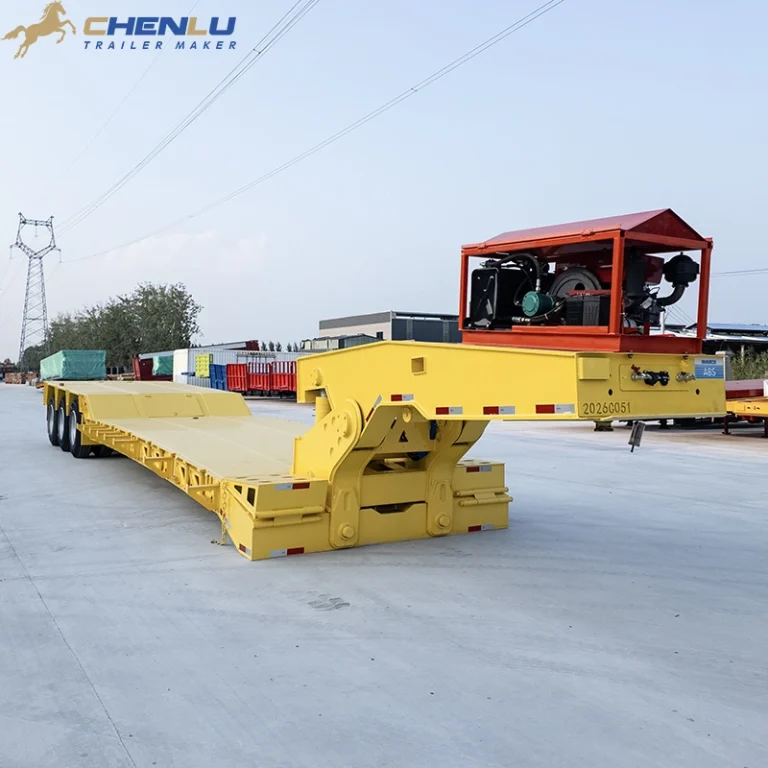
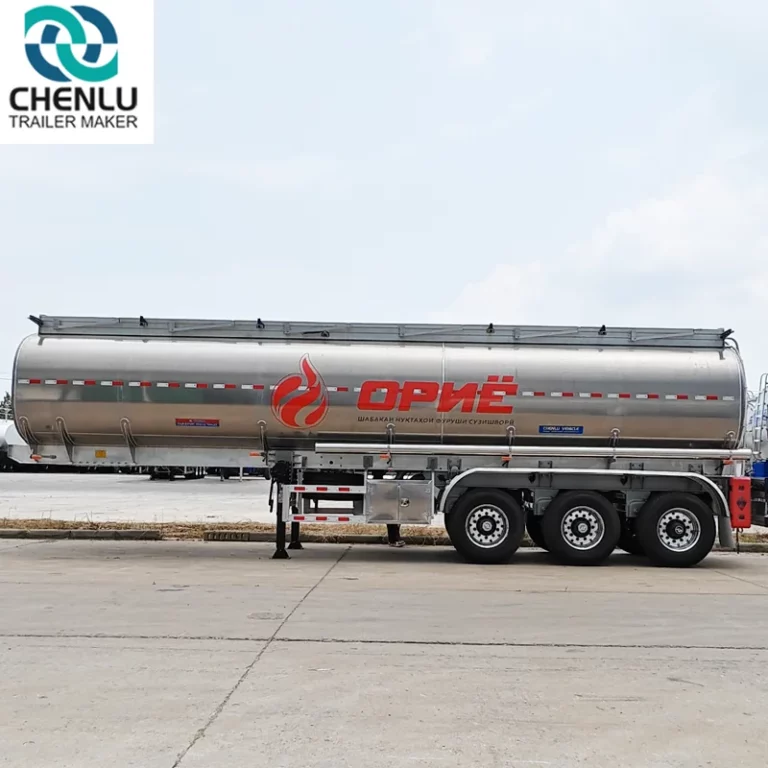
Un remolque que parece estar bien a la distancia puede ocultar fatiga en el chasis, óxido, desgaste de frenos y costos de reparación cada vez mayores. Si esto se pasa por alto durante demasiado tiempo, el tiempo de inactividad devora las ganancias. La decisión inteligente es comprender qué factores influyen en la vida útil del remolque y gestionar la unidad antes de que se convierta en un pozo sin fondo.
Como estimación práctica, un remolque de calidad remolque de plataforma suele durar entre 15 y 20 años o más con buenos cuidados, mientras que los rangos más amplios del sector para distintos tipos de remolques abiertos y comerciales suelen situarse entre 10 y 15 años y entre 10 y 20 años, según la carga, el entorno y la disciplina de mantenimiento. No existe una regla única, porque la vida útil real de un remolque depende de la calidad de fabricación, el uso, la exposición a la corrosión y lo bien que se inspeccione y mantenga.

Como fabricante de semirremolques con sede en China, trabajamos con propietarios de flotas, operadores logísticos, transportistas de equipos pesados, contratistas mineros y distribuidores de semirremolques que se preocupan por una cosa por encima de todo: la vida útil total de trabajo. Según nuestra experiencia, la pregunta no es solo «¿Cuánto durará este remolque?». La mejor pregunta es «¿Cómo me aseguro de que este remolque siga transportando de forma segura, rentable y con menos tiempo en el taller?»
Resumen
What is the average lifespan of a flatbed trailer?
Why do some trailers last much longer than others?
¿Cómo cambian el tipo de remolque y las necesidades de transporte la vida útil del remolque?
¿Qué piezas suelen desgastarse primero en un remolque de trabajo?
¿Cómo acortan el óxido, la corrosión y los daños estructurales la vida útil del remolque?
Why is regular maintenance the key to making a trailer last?
When should you repair a trailer, and when should you replace it?
How do older trailers affect uptime, cost, and fleet profit?
¿Qué deben revisar los compradores antes de elegir un remolque nuevo?
¿Por qué son tan importantes los materiales de calidad y la calidad de fabricación?
What is the average lifespan of a flatbed trailer?
For a flatbed or similar open commercial trailer, the most useful answer is a range, not a single number. Some industry sellers describe a quality flatbed as lasting 15 to 20 years or more with strong upkeep, while broader open-trailer estimates often sit around 10 to 15 years for lighter-duty equipment and longer for heavier, better-built units. A lifecycle guide aimed at fleet users also shows a long-term stage at about 8 to 12 years, with mature equipment at 15+ years entering reconditioning and replacement planning.
That is why the average trailer lifespan is best treated as a business planning range. If you run a quality trailer on proper service intervals, protect it from serious corrosion, and avoid overload habits, that trailer could last far beyond the lower end of the range. If the unit is built with light materials, used hard, and neglected, the useful life can drop fast.
For fleet owners, importers, and project buyers, the real takeaway is simple: “average” matters less than the combination of materials and build, maintenance, and actual duty cycle.
Why do some trailers last much longer than others?
Los factores principales son la calidad de fabricación, el ciclo de trabajo, las condiciones de almacenamiento y la disciplina de mantenimiento. Las fuentes del sector señalan repetidamente el tipo de carga, la exposición al clima y el mantenimiento como factores importantes en la duración de un remolque. Una fuente de flotas comerciales afirma que un remolque puede recorrer, en general, entre 500.000 y 750.000 millas, pero esa cifra cambia considerablemente según lo que transporte, cómo se le dé servicio y cuán exigente sea su uso.
En la práctica, un remolque utilizado para trabajos regionales ligeros no envejece de la misma forma que una unidad que transporta cargas pesadas por rutas difíciles cada semana. La lluvia, la sal de carretera, el polvo, los malos hábitos de carga y el terreno accidentado añaden tensión. También la falta de cuidado con la sujeción, la carga sobre los ejes y el almacenamiento. Incluso un bastidor de buena calidad se desgasta más rápido cuando el patrón de trabajo es inadecuado.
Por eso los compradores experimentados tampoco comparan los equipos solo por el precio. Una unidad más barata puede parecer económica al principio, pero si genera más tiempo de inactividad, más reparaciones y más reemplazos tempranos, el costo total puede ser mucho mayor.
¿Cómo cambian el tipo de remolque y las necesidades de transporte la vida útil del remolque?
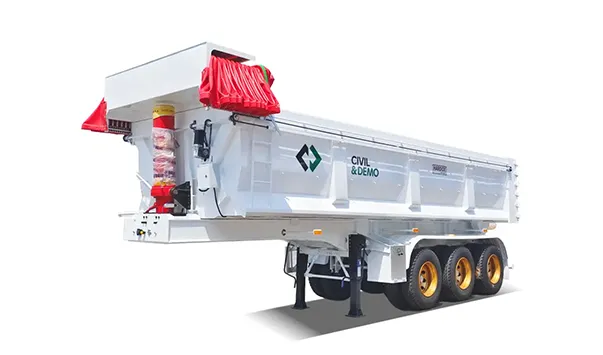
No todos los tipos de remolques envejecen a la misma velocidad. Un remolque basculante sufre tensiones distintas a las de un remolque cerrado, y los remolques utilitarios tienen una vida muy diferente de las plataformas planas, las plataformas bajas o los remolques cisterna. Una guía de un distribuidor sitúa a los remolques utilitarios en alrededor de 10 a 15 años, a un remolque basculante bien mantenido en alrededor de 15 a 20 años y a un remolque cerrado en 20 años o más en muchos casos. La misma fuente afirma que las plataformas planas también pueden durar 20 años o más con el cuidado adecuado.
The reason is simple. The type of trailer determines how the frame, deck, body, axle, and suspension are stressed. A flatbed handling steel, equipment, or oversized cargo faces deck wear, securement wear, and constant loading shock. A dump trailer adds stress from tipping cycles and the hydraulic system. An enclosed trailer may avoid some weather exposure but can still suffer floor, door, and moisture issues.
Your hauling needs should therefore guide both buying and maintenance. The right trailer is the one matched to the actual job, not just the initial budget. If your routes, loads, or use frequency have changed, the old unit may no longer be the right fit even if it is technically still usable.
Trailer Life by Type: A Practical Ballpark
| Tipo de remolque |
Typical ballpark from industry sources |
Principales factores de vida útil |
| Remolques utilitarios |
10 to 15 years |
Nivel de carga, almacenamiento y cuidado del bastidor |
| Remolque volquete |
15–20 años |
Desgaste de la caja, ciclos de basculación y cuidado hidráulico |
| Remolque cerrado |
20+ years |
Control de humedad, estado del piso y de las puertas |
| Flatbed / open heavy-duty trailer |
15–20+ años |
Desgaste de la plataforma, cuidado del bastidor y control de la corrosión |
Estos son rangos de planificación, no garantías. La vida útil real depende del mantenimiento y del uso.

¿Qué piezas suelen desgastarse primero en un remolque de trabajo?
En la mayoría de las unidades comerciales, los primeros puntos problemáticos son los componentes críticos que se mueven, se flexionan o reciben impactos directos de la carretera. Estos incluyen neumáticos, ruedas, componentes de freno, cableado, luces, equipos de sujeción, extremos de rueda, rodamientos, la suspensión y la zona del tren de aterrizaje/perno rey. La guía de Great Dane para plataformas planas menciona específicamente revisiones mensuales de neumáticos, luces, cableado, daños en la carrocería, tren de aterrizaje, perno rey y sujeción de la carga, así como revisiones semestrales del revestimiento de frenos, rodamientos de rueda, alineación de ejes, sellos, acopladores, brazos de torsión, resortes y pernos en U.
That checklist tells you a lot about where wear really happens. The axle alignment can drift. The brake system ages. The electrical system starts acting up. Bearings can leak. Springs and torque parts take abuse. Over time, those small items become the difference between a productive asset and a trailer that keeps needing a fix.
Para las unidades especializadas, añada puntos de riesgo específicos de cada categoría. Un remolque basculante necesita mayor atención a la caja, el elevador, las zonas de pivote y el sistema hidráulico. Una unidad cisterna o para cemento añade más necesidades de inspección alrededor de los accesorios del tanque y los puntos de sellado. Cada categoría tiene su propio patrón de desgaste.
¿Cómo acortan el óxido, la corrosión y los daños estructurales la vida útil del remolque?
Few things kill lifespan of your trailer faster than neglected rust and corrosion. FMCSA guidance for frames and trailer inspections specifically points to problems such as cracked or missing cross members, frame cracks, corrosion fatigue, and defective body parts. The agency’s frame rule also says the frame or chassis must not be cracked, loose, sagging, or broken.
Esto es importante porque la corrosión no es solo estética. El óxido superficial a menudo se puede controlar, pero el óxido excesivo, el adelgazamiento oculto o una grieta recurrente en una zona estructural son señales de advertencia importantes. Una guía sobre cuándo reemplazar remolques enumera las reparaciones frecuentes, el óxido excesivo, la corrosión y los daños estructurales como señales claras de que puede ser momento de dejar de hacer reparaciones provisionales y comenzar a planificar un remolque nuevo.
Operators should also watch for paint lifting, weld-line deterioration, deck damage, and places where moisture gets trapped. If you see coating bubble, scaling metal, or rust returning quickly after repair, the frame may be telling you that the asset is moving into a late-life stage.
Why is regular maintenance the key to making a trailer last?
Porque el mantenimiento regular es clave para controlar el desgaste antes de que se convierta en tiempo de inactividad. La FMCSA afirma que los transportistas deben inspeccionar, reparar y mantener sistemáticamente los vehículos comerciales bajo su control, y que los vehículos requieren una inspección periódica al menos una vez cada 12 meses. Esa inspección anual es el mínimo legal, no el máximo práctico.
Los fabricantes y las guías para flotas suelen recomendar un enfoque por niveles: inspecciones visuales antes del uso, revisiones mensuales y servicio periódico más profundo. Great Dane indica que los componentes vulnerables de los remolques de plataforma plana deben seguir programas de mantenimiento de un mes y de seis meses. La guía de ciclo de vida de TEN relaciona el uso inicial con inspecciones y ajustes menores, la mitad de la vida útil con el reemplazo de neumáticos y frenos, y el uso a largo plazo con reparaciones del piso, prevención de la corrosión y revisiones de los bujes.
That is why smart operators keep a maintenance schedule instead of reacting only when something breaks. Trailer maintenance protects uptime, lowers emergency repair cost, and helps a trailer last closer to the high end of its possible life.
Una sencilla lista de verificación de mantenimiento preventivo
- Check tires, wheel condition, and pressure
- Revise las luces, el cableado y los enchufes
- Look at the hitch, kingpin, landing gear, and couplers
- Review brake condition and adjustment needs
- Inspect the suspension and axle alignment
- Busque fugas, pernos flojos o desgaste desigual
- Clean and protect areas exposed to salt, water, or cement dust
- Document every inspection and recurring problem
These actions are not glamorous, but they are what keep a commercial trailer profitable.
When should you repair a trailer, and when should you replace it?
The answer comes down to economics, safety, and fit for the current job. If a unit has occasional wear items and the frame remains sound, a targeted repair is usually the right move. But if the trailer is spending more time in the shop than on the road, the logic changes fast. Transwest flags frequent repairs, electrical failures, repeated brake or suspension issues, and recurring frame rust or crack repairs as red flags.
Pinnacle makes the same business point from another angle: older trailers near the upper mileage range can cut into profit through extensive repairs, higher downtime, and weaker hauling efficiency. If costs start approaching the value or utility of the asset, replacement becomes the smarter decision.
So ask three questions. Is the frame still sound? Are the repair costs stable or climbing? And does this trailer still fit our current routes and loads? If the answer to two of those is “no,” replacement is usually the better fleet decision.
How do older trailers affect uptime, cost, and fleet profit?
Aging does not automatically mean bad, but it does mean more management attention. A lifecycle guide for fleets describes “mature equipment” at 15+ years as the point where operators should evaluate major refurbishment versus replacement. That is because older units often need corrosion remediation and high-wear components that need to be replaced.
Desde el punto de vista de la rentabilidad, el peligro no es solo el total de la factura. Es la pérdida de utilización. Un remolque que pierde cargas, retrasa un proyecto o no puede transportar de forma segura el perfil de carga actual está costando dinero incluso cuando no parece estar averiado. Pinnacle señala que las unidades más antiguas y desgastadas pueden reducir la eficiencia de carga y quizá no respalden al negocio de la misma manera que un remolque nuevo más capaz.
That is why many fleet managers now treat life span planning as an operating discipline, not just a purchasing decision. They want a trailer still on the road because it is productive, not merely because it still exists.
¿Qué deben revisar los compradores antes de elegir un remolque nuevo?
Start with the work. The best buying question is not “What trailers for sale are cheapest?” It is “What trailer best fits our current and next-stage routes, axle loads, and hauling needs?” If the business has grown, deck length, payload, suspension spec, or frame strength may need to grow too.
Then check the physical platform: frame design, chassis strength, deck structure, suspension layout, brake package, corrosion protection, and service access. Ask whether the builder uses quality materials, how the unit is coated or protected, and whether wear items are easy to source. These choices affect not only purchase price, but also how long the trailer stays useful in real service.
Finally, think about where and how you will store it, who will maintain it, and whether the supplier has a good service and parts network. The purchase is only day one. The real value shows up over the next decade.

¿Por qué son tan importantes los materiales de calidad y la calidad de fabricación?
Because build quality determines how much abuse the unit can take before problems begin stacking up. A heavy-duty frame, better coatings, stronger deck integration, and better welding standards help the trailer survive heavy use and repeated loading cycles. Sources aimed at buyers repeatedly tie long service life to manufacturing quality and upkeep rather than age alone.
This is especially important for global importers and contractors buying from overseas. Two trailers may look similar in photos, but the one built with stronger material control, better corrosion protection, and more thoughtful engineering will usually give a far better return over time. In short, lower end trailers may win on invoice price, but better-built units usually win on lifetime value.
As a fabricante de semirremolques, we see this clearly. Buyers who focus on good care, service access, and reputable build standards usually keep equipment productive longer. Buyers who ignore those points often come back asking why one unit aged so much faster than expected.
Preguntas frecuentes
What’s the average lifespan of a flatbed trailer?
As a practical industry ballpark, a quality flatbed trailer often lasts around 15 to 20 years or more if it receives proper maintenance, while wider ranges for commercial trailers often fall somewhere between 10 to 15 years and 10 to 20 years depending on type and use.
How long can a trailer last with regular maintenance?
Bastante más tiempo que una unidad descuidada. Las directrices sobre el ciclo de vida y las recomendaciones del fabricante muestran de forma consistente que el mantenimiento preventivo, las inspecciones programadas, el servicio de frenos y rodamientos, y el control de la corrosión son lo que lleva a un remolque hacia el extremo superior de su vida útil.
What shortens trailer lifespan the fastest?
The big killers are overload habits, poor maintenance, recurring corrosion, frame damage, neglected brakes or suspension, and ongoing electrical or wheel-end problems. Persistent rust and structural issues are especially serious.
¿Cuándo debo reemplazar un remolque en lugar de repararlo?
When the repair cycle becomes constant, costs keep climbing, uptime keeps dropping, or the unit no longer fits current work. If the trailer spends more time being fixed than hauling revenue loads, replacement often makes better business sense.
Do dump trailers and enclosed trailers last as long as flatbeds?
Not exactly. Industry guides often place a well-maintained dump trailer around 15–20 years and an enclosed trailer around 20+ years, but the real answer depends on duty cycle, weather, and maintenance quality.
Is annual inspection enough for commercial trailers?
No. FMCSA requires at least annual periodic inspection, but practical fleet care goes much further. Monthly checks, periodic brake and suspension review, and corrosion monitoring are essential if you want the trailer to stay safe and productive.
Aspectos clave que hay que recordar
A flatbed trailer often has an average working life in the 15–20+ year range when it is well built and well maintained.
There is no single universal number; trailer lifespan depends on use, environment, materials, and maintenance.
Regular maintenance is key if you want a trailer to stay productive and safe.
Watch the frame, chassis, brakes, suspension, bearings, wiring, and corrosion points closely.
Excessive rust, repeated structural fixes, and constant downtime are strong replacement signals.
The cheapest unit is not always the most economical over the full life span. Better materials and build quality usually pay back over time.
The best fleet decision is to match the right trailer to the real job, then keep it on a disciplined service plan.




 06 de mayo de 2026