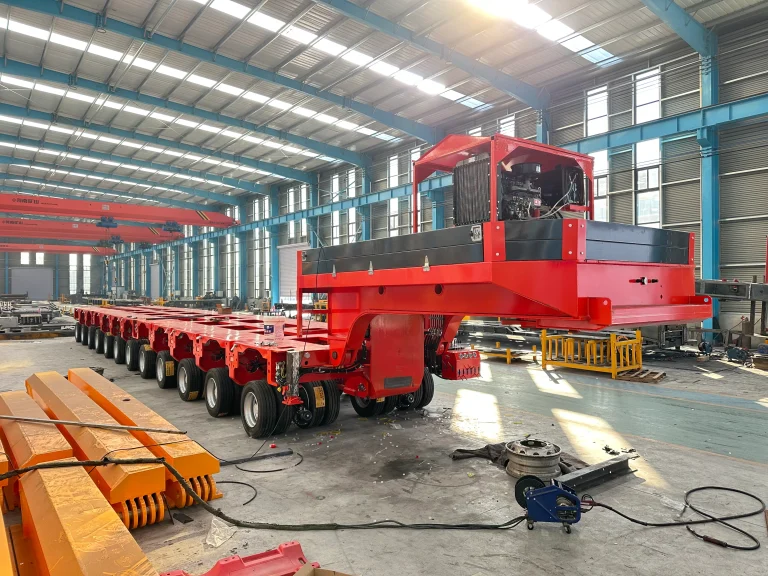
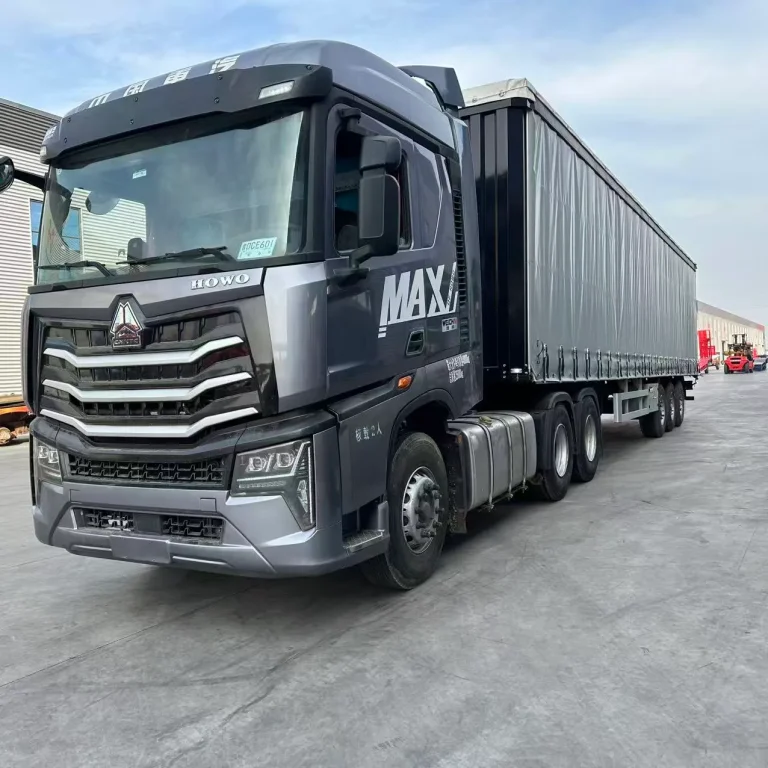
For very large cargo, carrying the weight is only half of the challenge. A long heavy-haul trailer must also turn through factory yards, project sites, port roads, and restricted routes without excessive tire scrub or poor axle tracking.
CHENLU is currently manufacturing a new 12 axle gooseneck semi trailer that addresses this challenge through a long multi-axle chassis, hydraulically controlled steering components, a heavy-duty gooseneck section, and an integrated power/control system for specialized project transport.
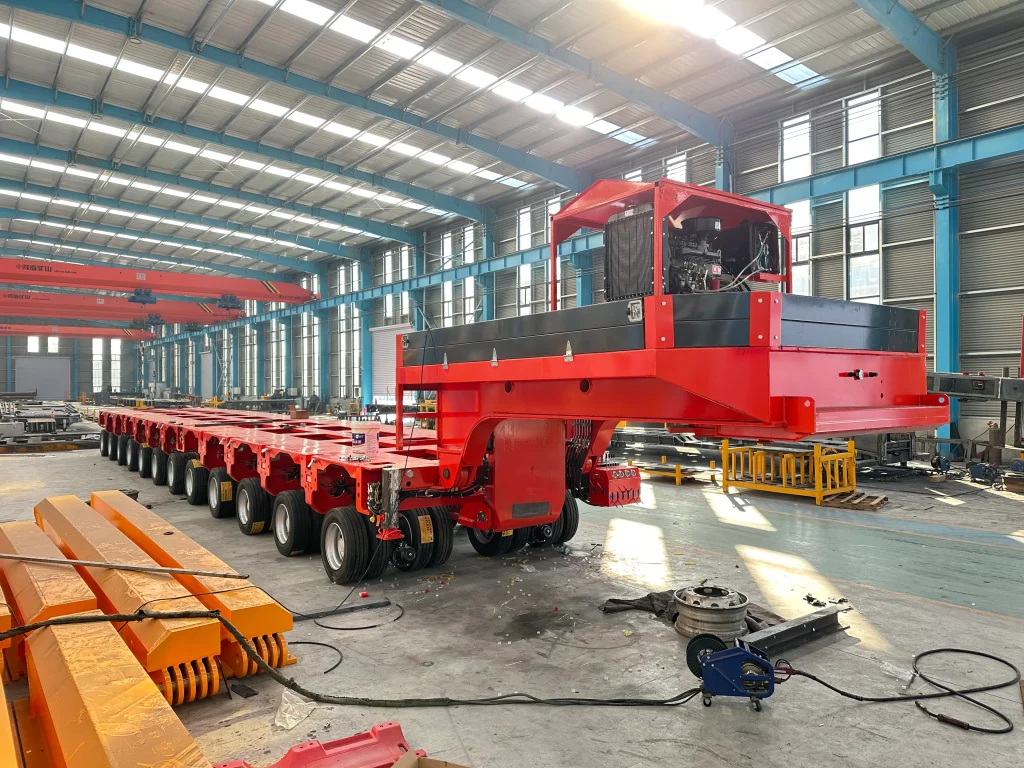
A 12 Axle Heavy Haul Trailer Designed Around the Route
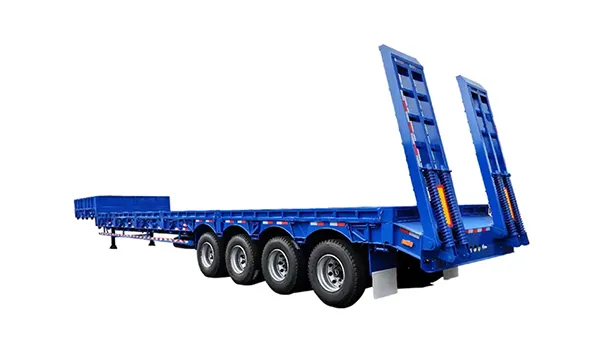
A very different trailer from a conventional 3- or 4-axle lowbed.
The structure includes:
- 12 axle lines
- Heavy-duty gooseneck front section
- Extra-long loading platform
- Hydraulic steering cylinders and linkages
- Pivoting axle-support structures
- Extensive hydraulic piping
- Integrated front power/control equipment
- Multiple wheel groups distributed along the chassis
The purpose of this configuration is not simply to create a trailer with more wheels.For heavy haul transport, the trailer must be designed around three things at the same time:
cargo weight + cargo dimensions + transport route
A trailer may have enough structural capacity for the load but still be unsuitable if it cannot negotiate the turning radius, road width, intersections, or project-site access points on the planned route.
That is why multi-axle heavy transport requires more engineering than simply selecting a payload number.
Why Steering Becomes Critical on a 12 Axle Semi Trailer
Imagine trying to turn a very long trailer with twelve completely fixed axles.
As the tractor changes direction, the axle groups do not all follow the same path. Tires farther from the natural turning center can be forced sideways across the road surface.
This creates what heavy-haul operators often recognize as tire scrub.On a long multi axle lowbed trailer, excessive scrub can increase:
- Tire wear
- Steering resistance
- Stress on suspension and axle components
- Required turning space
- Difficulty maneuvering inside industrial sites
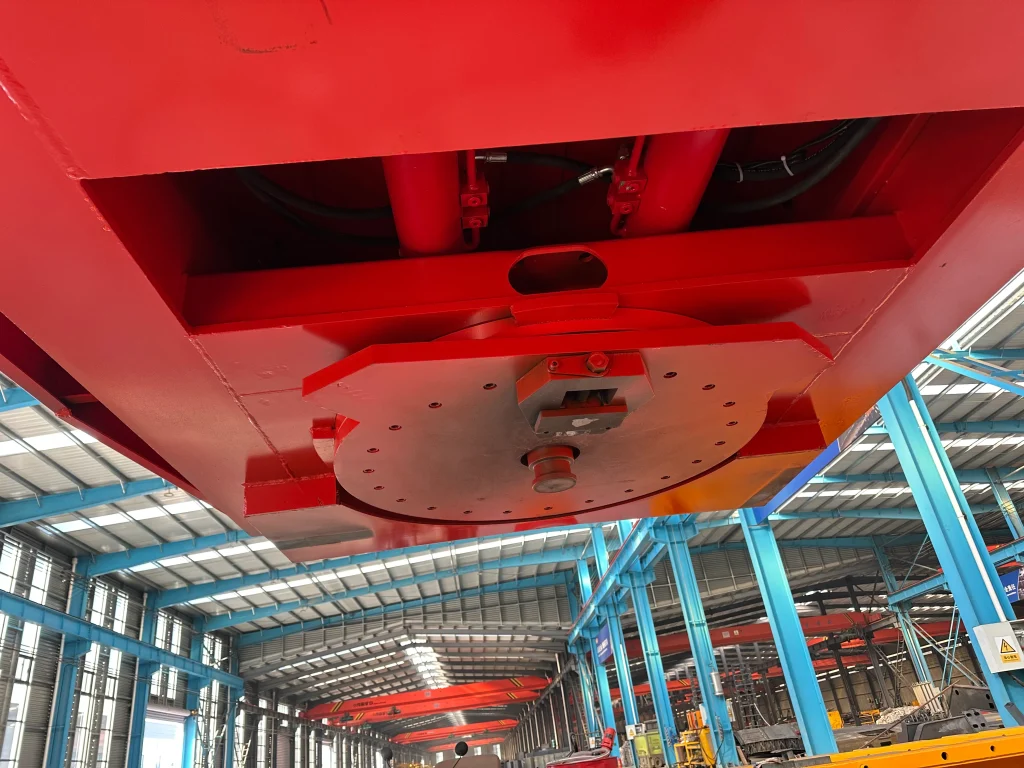
The steering structures visible on this CHENLU trailer allow individual axle groups to respond to the trailer’s turning movement rather than simply remaining fixed straight ahead.
This makes steerable axle trailer technology especially valuable as the trailer becomes longer and the axle count increases.
Hydraulic Steering Helps a Long Trailer Follow the Tractor
The hydraulic cylinders, steering arms, pivot points, and hydraulic lines around the running gear.These components form part of the trailer’s steering/control system.
Instead of forcing every wheel group to remain parallel, a hydraulic steering trailer can coordinate axle movement during turns. This helps the rear portion of a long heavy-haul trailer follow a more controlled path.
For operators, the practical objective is greater maneuverability when working in locations such as:
- Power plants
- Mining sites
- Industrial yards
- Ports
- Construction projects
- Energy facilities
- Infrastructure sites
- Heavy machinery assembly plants
This does not mean a 12 axle trailer can turn like a standard semi trailer. Route geometry still matters.But steering capability gives engineers more options when matching a large trailer to a difficult project route.
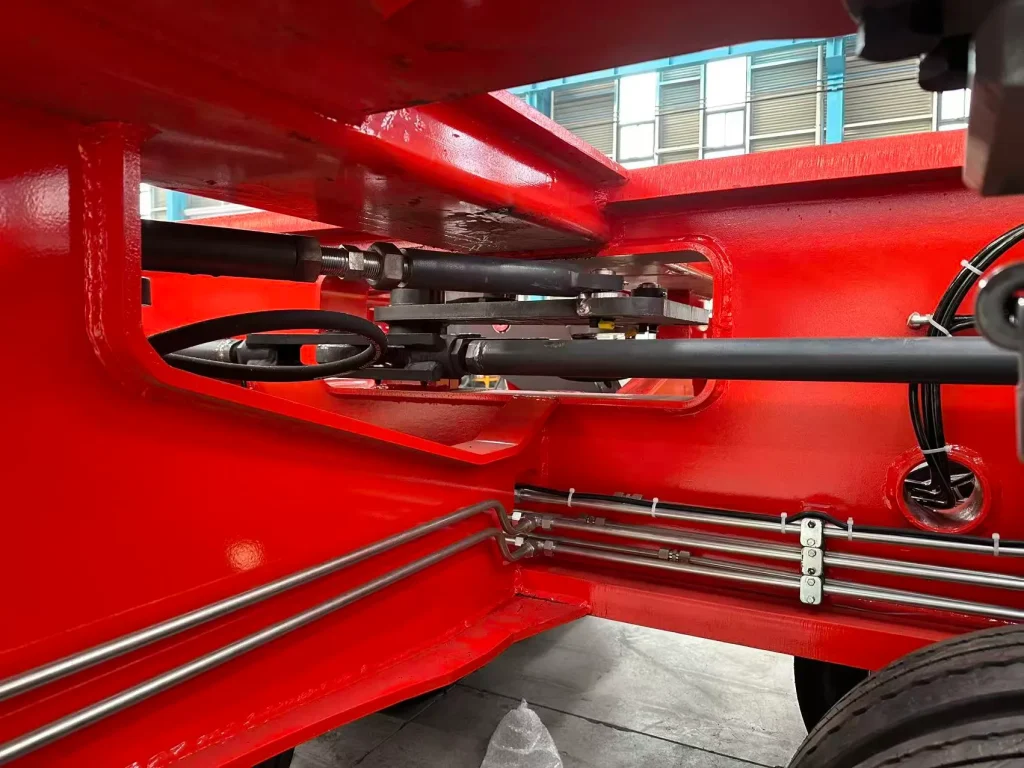
Factory Assembly Shows the Complexity Behind Heavy Haul Equipment
Unlike a standard semi-trailer axle group, the 12-axle chassis includes multiple moving components, hydraulic cylinders, pivoting structures, steering connections, and extensive piping.
This adds manufacturing and assembly requirements beyond simply welding a longer frame.
Critical areas include:
- Steering geometry
- Pivot alignment
- Hydraulic routing
- Axle-group alignment
- Structural connection points
- Hose protection
- Wheel clearance
- Chassis welding
- Gooseneck structure
Heavy-haul manufacturing is therefore as much about system integration as it is about steel thickness.
CHENLU Develops Heavy Transport Trailers Around the Project
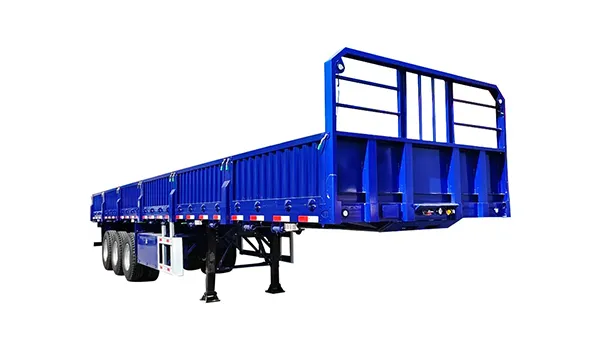
CHENLU’s Machinery & Equipment Transport range currently covers conventional lowbeds, folding goosenecks, multi-axle lowbeds, and removable-gooseneck trailers.
The new 12 axle gooseneck semi trailer extends that engineering approach toward more demanding oversized and overweight transport requirements.
For heavy-haul operators, mining companies, EPC contractors, equipment manufacturers, energy projects, and infrastructure buyers, the correct starting point is not:
“How many tons can your trailer carry?”
A better starting point is:
“Here is my cargo and route. What trailer configuration will move it safely and practically?”
If you are planning an oversized or heavy project cargo movement, send CHENLU your cargo drawing, dimensions, weight, center of gravity, destination, route conditions, axle limits, and tractor information.
Our engineering team can evaluate the required axle layout, steering system, gooseneck structure, platform dimensions, and heavy-haul configuration for the project.
FAQ
What is a 12 axle gooseneck trailer?
A 12 axle gooseneck trailer is a heavy-duty semi trailer that combines a gooseneck connection with twelve axle positions for specialized heavy and oversized transport. Depending on the design, steering and hydraulic systems may be used to improve maneuverability.
Why does a 12 axle trailer need steerable axles?
As trailer length and axle count increase, fixed wheels can experience severe lateral tire scrub during turns. A steerable axle system helps individual wheel groups follow the turning path more effectively.
Is this 12 axle trailer an RGN trailer?
The photographs confirm a heavy-duty gooseneck, but they do not establish that this particular gooseneck is removable. An RGN specifically requires the gooseneck to detach so equipment can load from the front.
What is the advantage of hydraulic steering on a heavy haul trailer?
Hydraulic steering can coordinate axle movement during turns, helping reduce tire scrub and improve maneuverability on long multi-axle combinations.
How much can a 12 axle heavy haul trailer carry?
Axle count alone cannot determine payload. Capacity depends on axle ratings, chassis design, tires, cargo position, tractor load, center of gravity, route limits, and local regulations.
What information does CHENLU need to design a multi-axle trailer?
Provide cargo weight, dimensions, center of gravity, support points, destination country, route conditions, axle-weight limits, tractor data, and loading requirements.




 25 November 2026